
Upgrading Your Dock in 2026
Upgrading Your Dock in 2026: Environmental Imperatives and Responsible Disposal with MP Deck and Dock
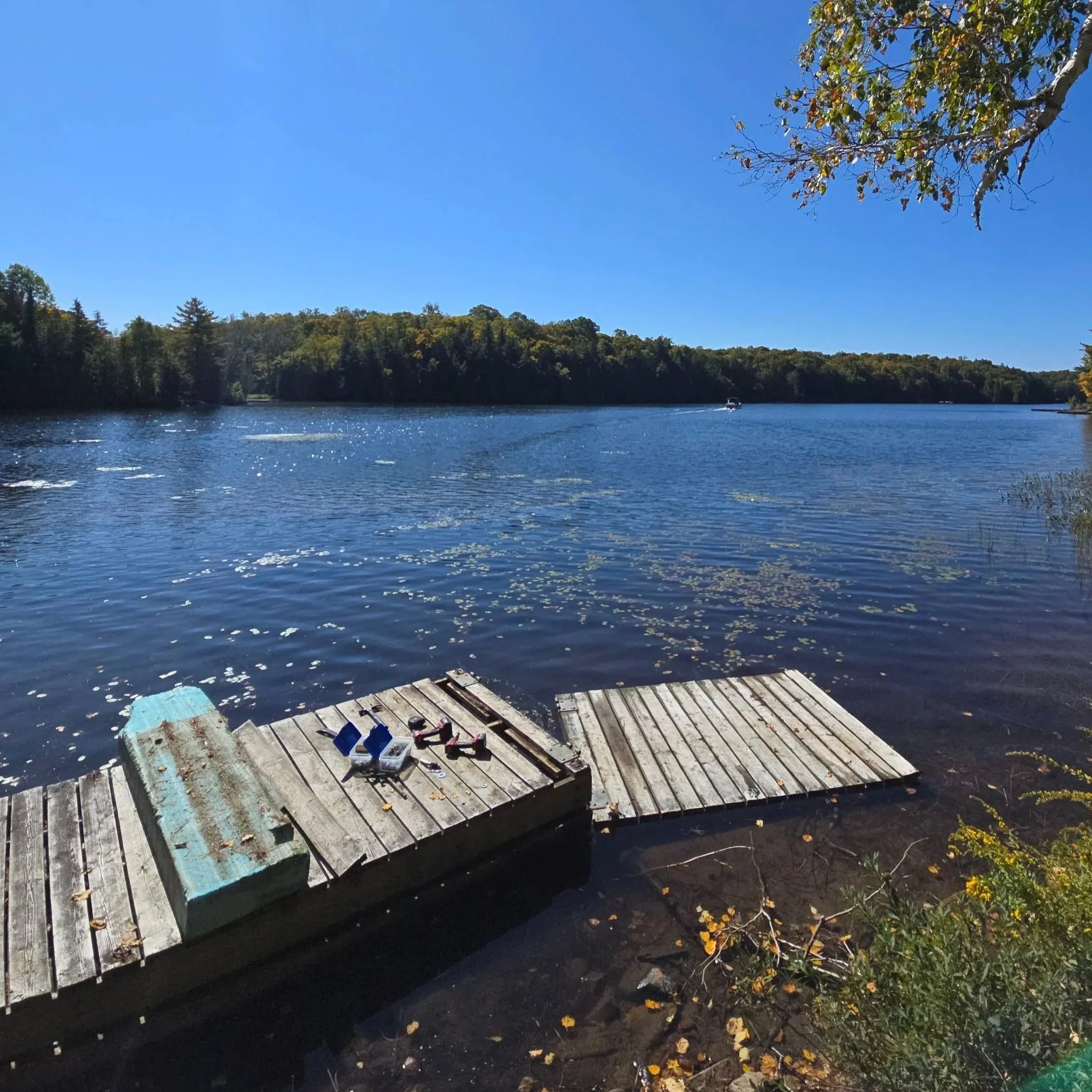
As waterfront property owners in Canada approach the new year, 2026 presents an opportune moment to address the replacement of aging floating docks that incorporate extruded polystyrene (XPS) or expanded polystyrene (EPS) foam, commonly termed "blue foam," for buoyancy. This material, valued historically for its lightweight characteristics, now raises substantial environmental concerns that surpass aesthetic or seasonal considerations. Undertaking such upgrades not only bolsters structural integrity but also mitigates pollution in Canadian aquatic systems, aligning with evolving regulatory landscapes and sustainable practices.
The environmental ramifications of unencapsulated blue foam are well-documented. Prolonged exposure to water, ultraviolet radiation, and physical abrasion leads to fragmentation into microplastics, which contaminate lakes and rivers, endanger aquatic life through ingestion, and compromise water quality. These persistent particles integrate into food chains, potentially affecting human health via contaminated seafood sources. In regions such as Georgian Bay, polystyrene debris constitutes a primary contributor to shoreline litter and ecological disruption. Transitioning to alternatives, including high-density polyethylene (HDPE) pontoons, affords superior durability against degradation, diminishes pollution risks, and enhances overall stability.
Regulatory developments in Canada reinforce the rationale for action in 2026. Ontario's Bill 228, the Keeping Polystyrene Out of Ontario's Lakes and Rivers Act, has prohibited unencapsulated polystyrene in new floating docks and buoys since May 2023, mandating full encapsulation to curb microplastic release. While this legislation does not compel the removal of existing installations, it signals a broader shift toward environmental stewardship. Advocacy for a federal prohibition persists, with organizations such as the Surfrider Foundation and others urging the elimination of polystyrene in aquatic structures nationwide. Provinces like British Columbia may adopt comparable measures, amplifying the impetus for proactive compliance.
MP Deck and Dock, a specialized firm serving the Muskoka and Parry Sound regions, exemplifies commitment to these standards through its environmentally safe disposal protocols for old blue foam during replacements. The company prioritizes recycling viable, uncontaminated foam by transporting it to dedicated facilities for repurposing into items such as insulation or packaging, thereby advancing circular economy objectives and reducing landfill dependency. In cases of degradation or contamination—frequent in aged materials—the foam is conveyed to authorized municipal landfills or transfer stations, adhering strictly to local waste directives to avert illegal dumping and associated penalties. Preparation entails meticulous disassembly, separating foam from adjunct elements like wood or metal to optimize handling. Furthermore, MP Deck and Dock engages with or endorses community collection initiatives organized by environmental entities, which furnish economical or no-cost disposal avenues in lakeside locales. By integrating encapsulated alternatives or HDPE in new constructions, the firm averts prospective pollution, safeguarding Ontario's vital waterways.
In conclusion, replacing dock foam in 2026 transcends routine maintenance; it embodies a dedication to ecological preservation. Property owners can fulfill regulatory obligations, mitigate environmental harm, and select resilient configurations by partnering with specialists like MP Deck and Dock. Such initiatives ensure the longevity of Canada's pristine aquatic environments for succeeding generations.